Textured surfaces, and smooth mats too
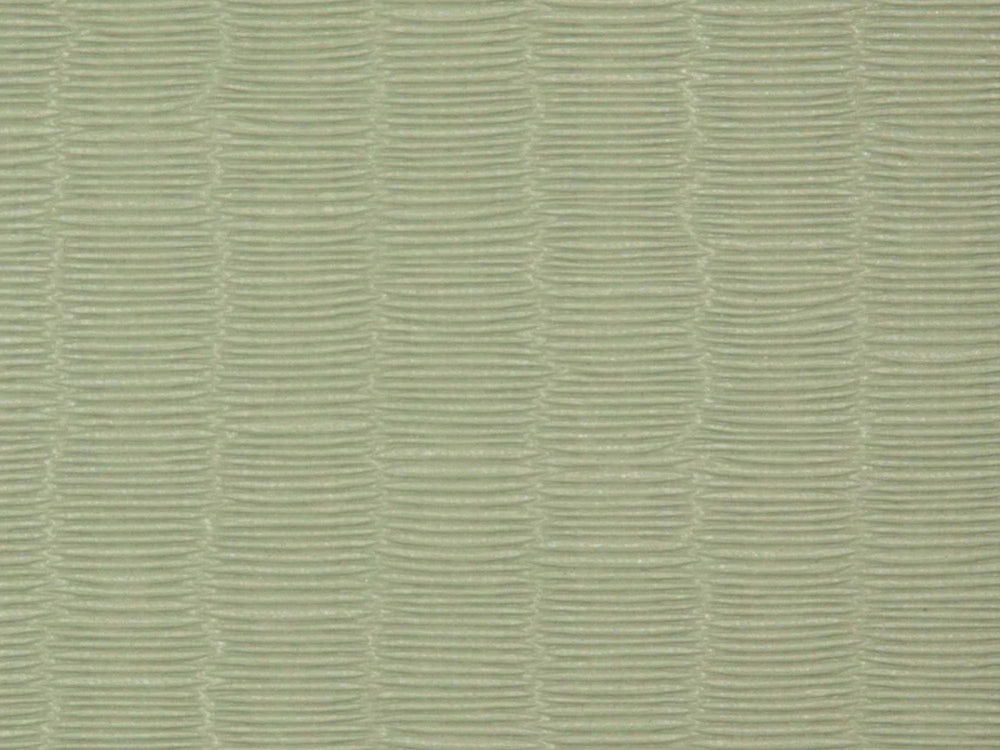
Textured tatami needs attention because soil can settle into its relief. Smooth coverings can also retain residue and feel sticky or oily. The decision to intervene depends on observed condition, the product normally used and the covering manufacturer's instructions; texture alone does not decide the method.
Why soft brushes matter
We use soft brushes designed for carpets. Planning takes account of the covering, its condition and the surfaces included. A more aggressive brush does not automatically mean a better result. Report tears or damaged areas before the visit so the method and expectations can be adjusted.
Loosen soil and recover the water
Our machine brushes the mats and recovers dirty water. Recovery helps remove loosened soil instead of merely moving it around. Brushes are rinsed after each cleaning and labelled by use to limit soil transfers between different types of surfaces.
Disinfection still has its own requirements
Brushing is not proof of disinfection. Pre-cleaning helps remove material that can interfere with disinfectant action. The product must suit the surface and be applied according to its label, including required dilution and contact time. Without the product label, claims against a particular microorganism are not justified.
Key takeaways
- Physical action can help on smooth and textured mats.
- Choose brushes to suit the covering.
- Dirty-water recovery complements brushing.
- The product and its instructions define disinfection requirements.
Sources and scope
Field observations and the described service method come from DojoFresh. The sources below support general guidance. This educational content does not replace manufacturer instructions or medical advice.